
The Evolution of HNB(Heat-Not-Burn) Products: A Year-by-Year History
The development of HNB products represents one of the most significant technological shifts in the nicotine and smoking-alternatives industry over the past five decades. Unlike combustible cigarettes, heated tobacco products are designed to heat tobacco or other substrates to temperatures below combustion, releasing nicotine and flavor aerosols without burning.
The following resources presents a detailed chronological history of HNB products, from early conceptual experiments in the 1960s to modern non-tobacco HNB platforms.
Before 1970s: Early Scientific Exploration of Non-Combustion Smoking
Before 1969: Scientific Motivation about HNB
The emergence of the HNB concept is driven by the following factors.
• Rising awareness of smoking-related health risks
• Initial public health studies linking combustion to toxic byproducts
• Early scientific hypothesis: reducing combustion temperature could reduce harmful emissions
At this stage, no commercial HNB products existed. Research was confined to laboratories, primarily funded by tobacco companies and public research institutions.
1970–1979: First Heating Concepts
Tobacco companies began filing patents for nicotine thermal-extraction technologies, including electrically heated tobacco rods and hot-air extraction systems. However, these early concepts faced major limitations, as battery capacity and materials technology were not yet advanced enough to support compact, reliable, consumer-ready devices.
1980–1989: First Commercial Attempts at Heated Tobacco
1988: R.J. Reynolds Premier (Withdrawn in 1989)
Premier was one of the first commercially launched heated tobacco products, using a carbon-heated tip to generate aerosol. However, it failed to gain market acceptance due to poor taste, complicated operation, and an unclear value proposition. While Premier demonstrated that the HNB concept was technically feasible, it was not yet commercially viable.

1990–1999: Market Learning and Failure-Driven Innovation
1996: R.J. Reynolds Eclipse (Withdrawn in 2008)
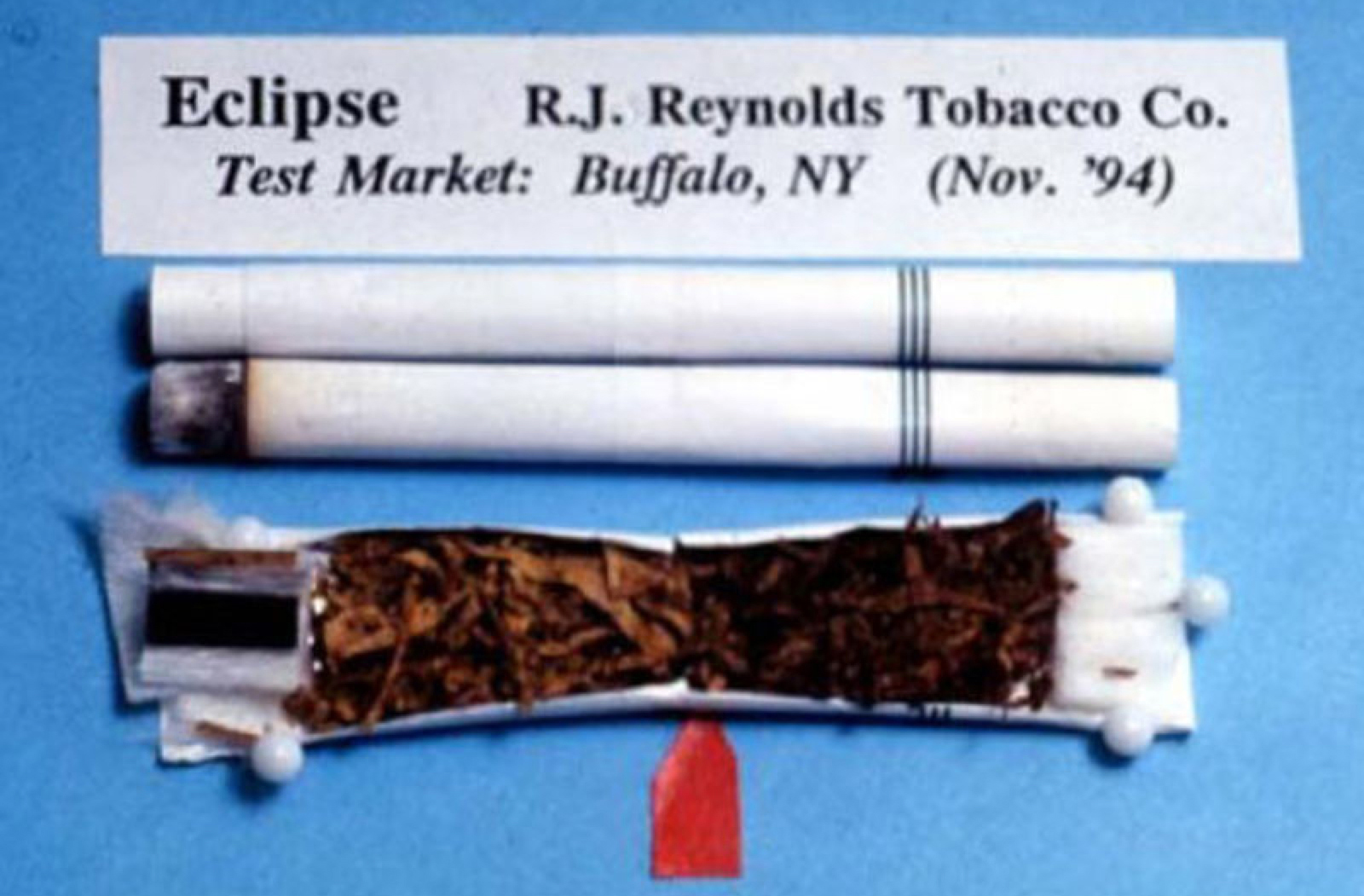
1998: Philip Morris introduces Accord (Withdrawn in 2006)
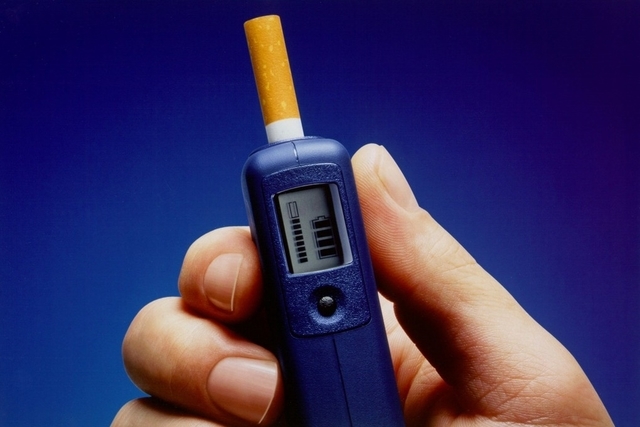
Both Eclipse and Accord were designed to reduce smoke emissions, but they faced major challenges, including bulky devices, limited battery life, weak sensory performance, and poor consumer understanding. The key industry lesson was that heating alone is not enough—user experience and consumption rituals are equally important. As a result, most companies paused commercialization efforts and returned to R&D by the late 1990s.
2000–2009: Technology Catch-Up Era
2003: R.J. Reynolds Eclipse into US national market
2007: Philip Morris International introduces Heatbar (Withdrawn in 2008)
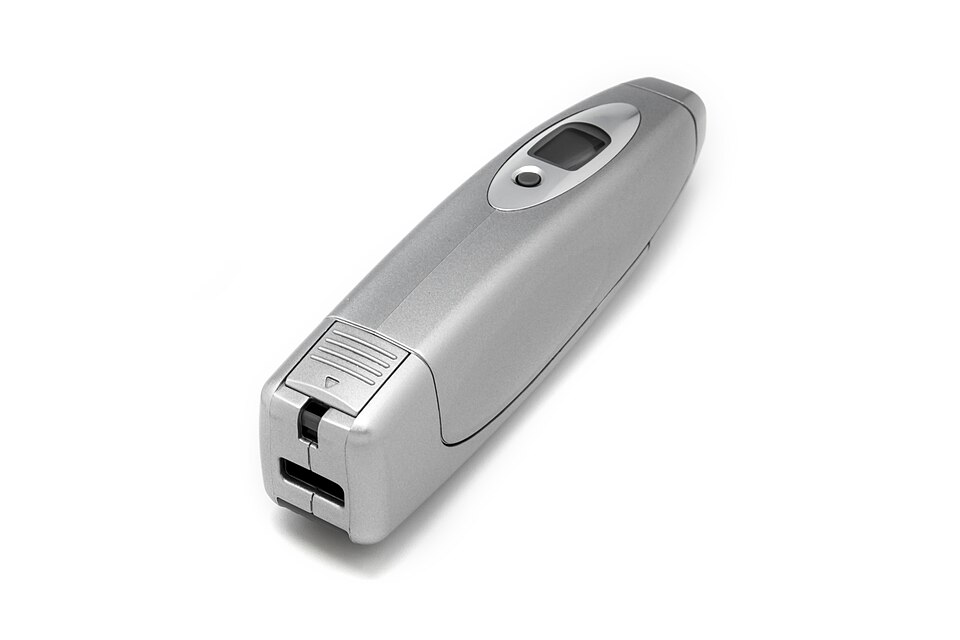
In the early 2000s, lithium-ion batteries became commercially viable, enabling major advances in device technology. At the same time, leading tobacco companies began investing heavily in aerosol science, materials engineering, and behavioral research, shifting their focus from “reduced harm” claims to “reduced exposure” research.
2010–2013: Birth of Modern Heat-Not-Burn Systems
2013: IQOS Pilot Launch (Japan & Italy)
Philip Morris International (PMI) finalized its blade-based heating technology, marking a pivotal turning point that established HNB as a viable consumer category.
2014–2020: Global Expansion and Category Definition
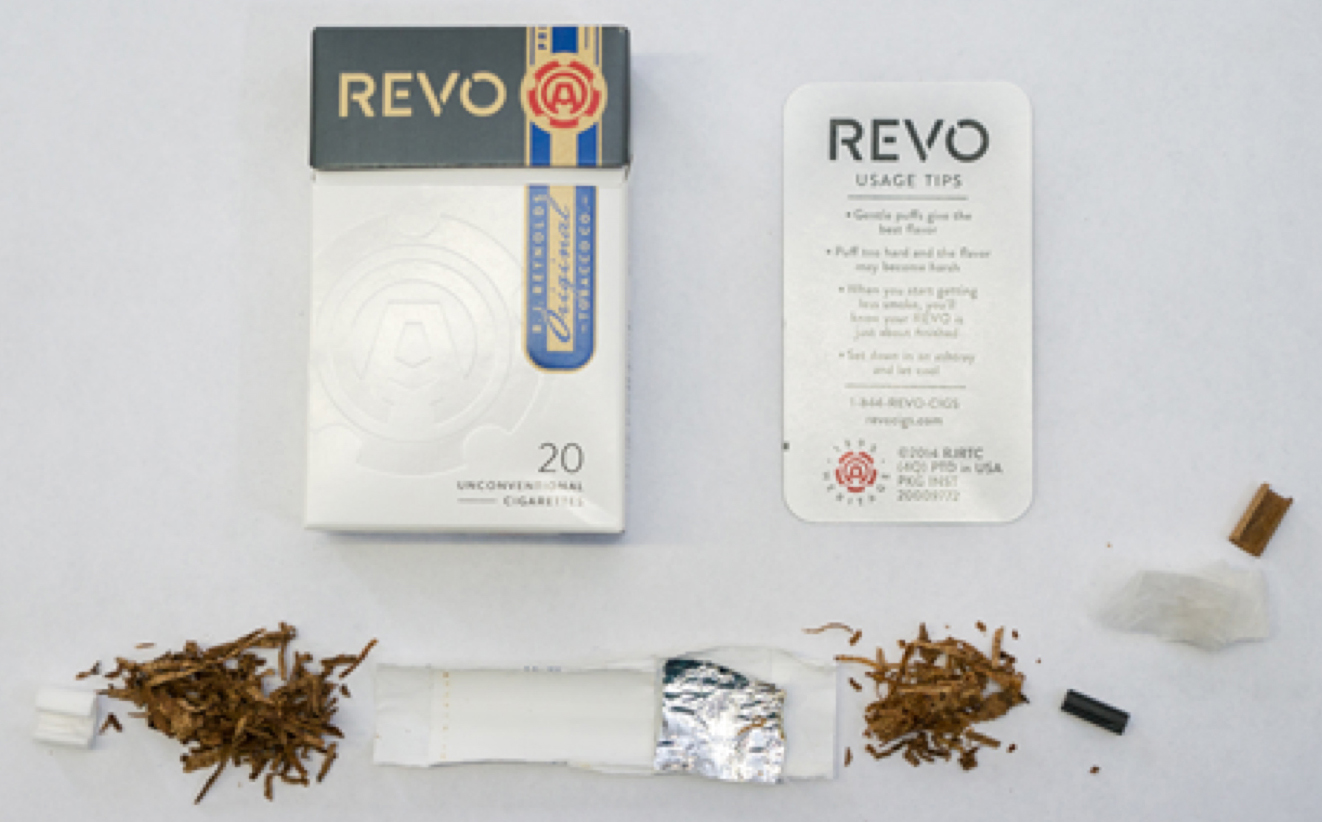
2014: R.J. Reynolds introduces Revo (Withdrawn in 2015)
Philip Morris International introduces IQOS 2.2
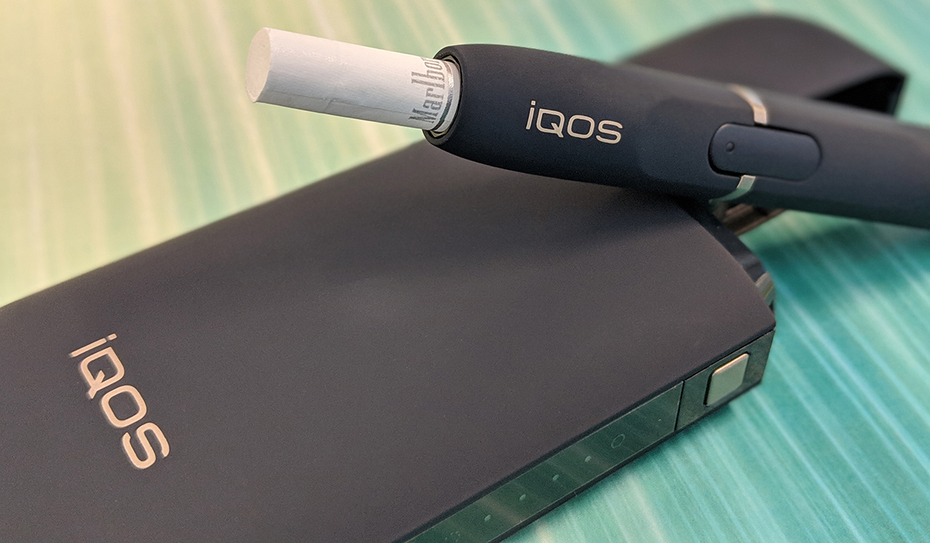
2015: British American Tobacco introduces IFuse
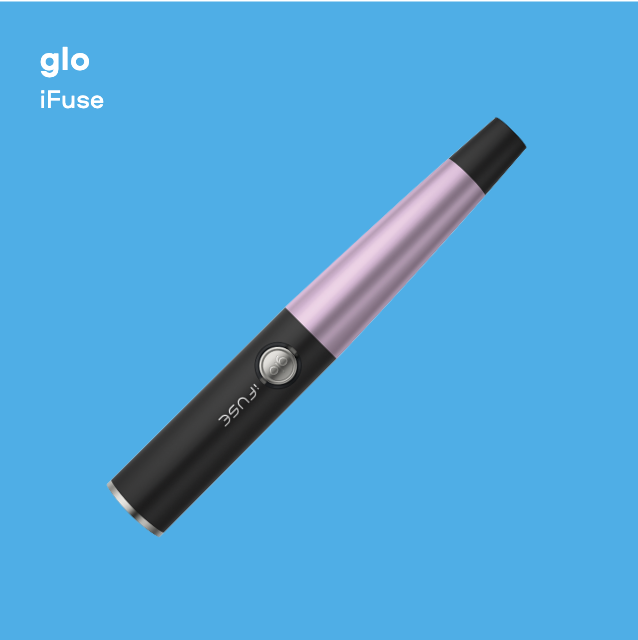
2016: Japan Tobacco International launched Ploom
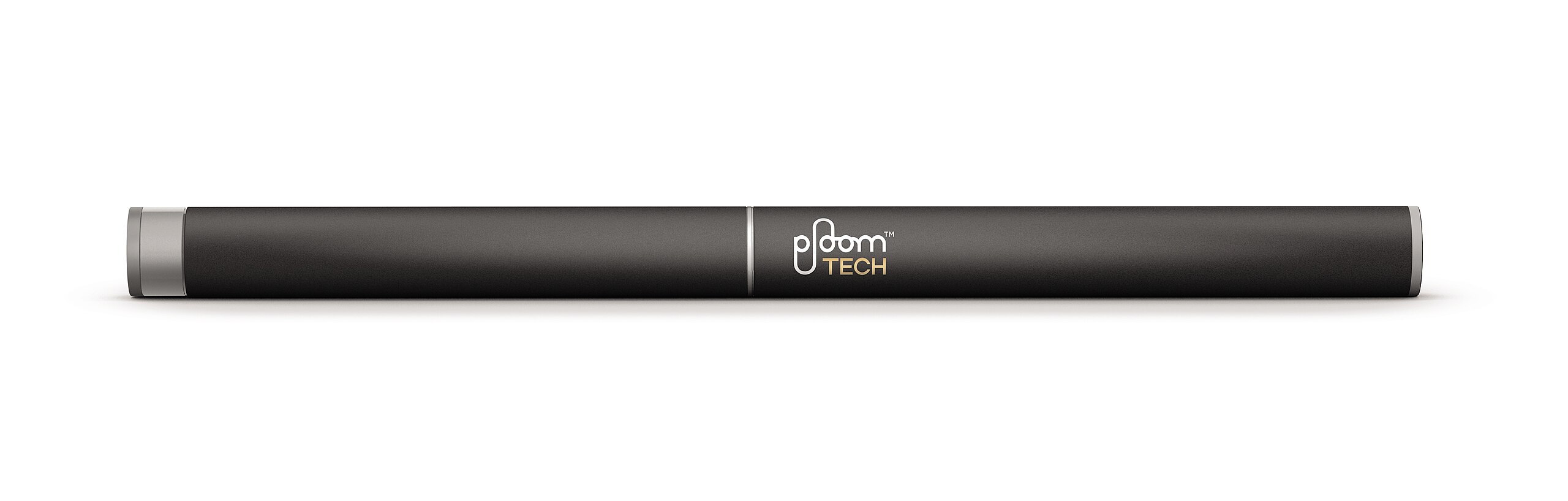
2017: British American Tobacco introduces glo
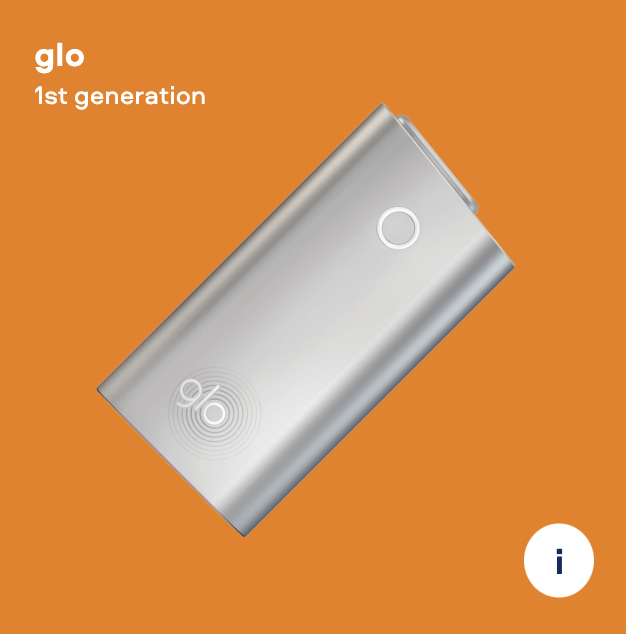
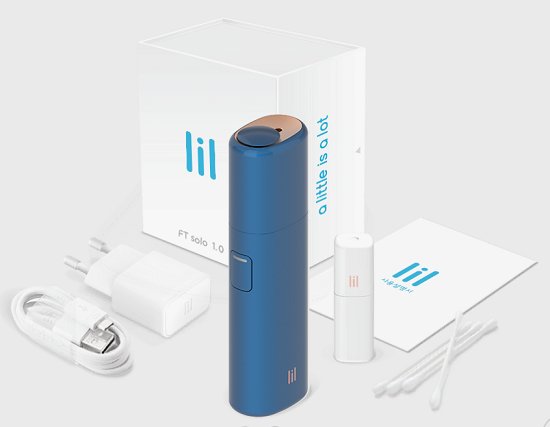
KT&G introduces lil
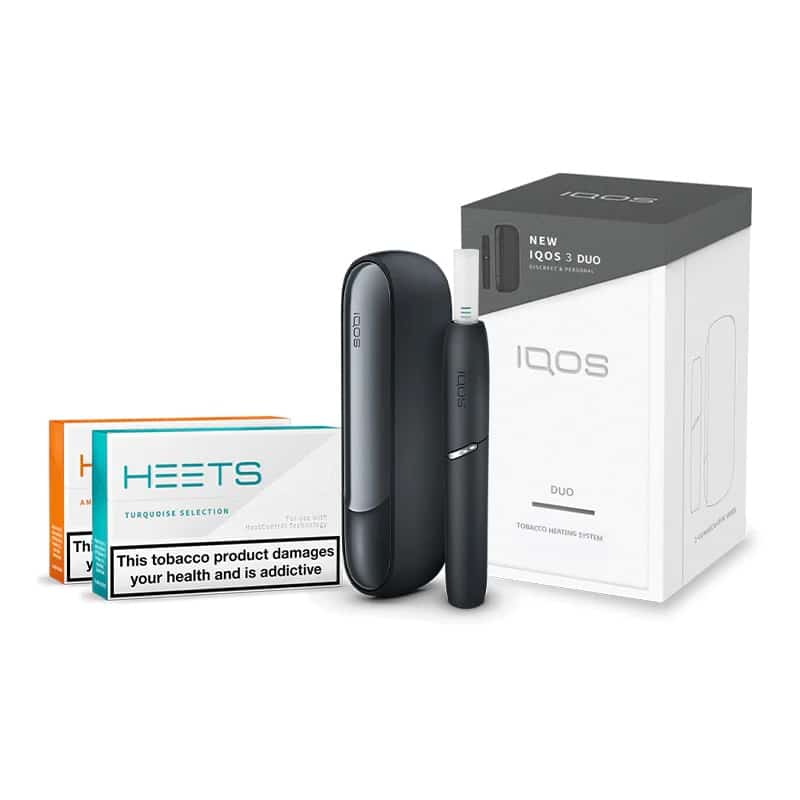
2019: Philip Morris International introduces IQOS 3 DUO
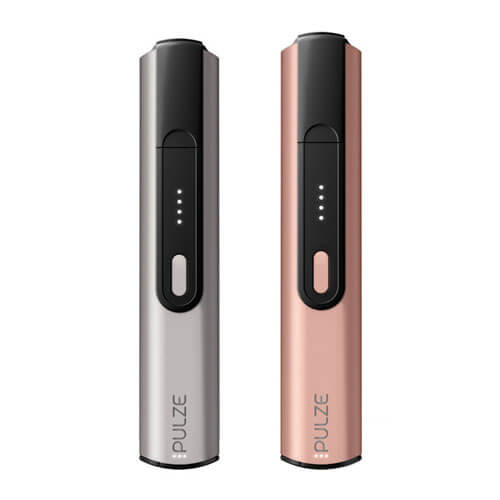
Imperial Brands introduces Pulze
The cultural factors accelerate adoption of HNB product, such as Indoor smoking restrictions, and technology-friendly consumers. The governments begin classifying HNB separately from cigarettes.
2021–2024: Emergence of Non-Tobacco Heat-Not-Burn
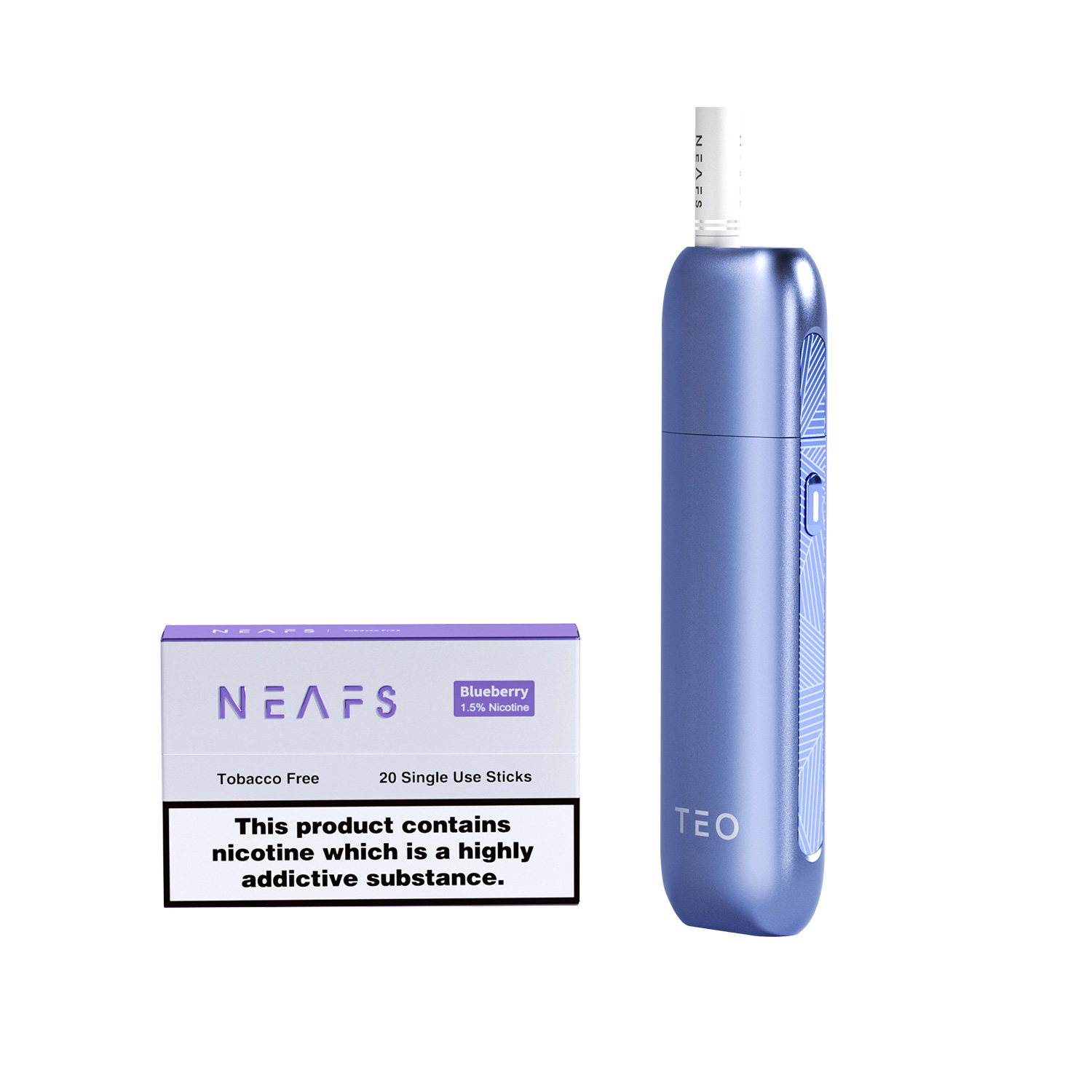
In 2021, the ESON Lab partnered with the NEAFS Group to launch the first generation of tobacco-free HNB products, including the TEO device and NEAFS sticks. Following this, major tobacco companies developed their own tobacco-free consumables and new heating systems based on different technologies.
2021: NEAFS group introduced TEO and NEAFS (tobacco-free sticks for TEO)
Japan Tobacco International introduces Ploom X
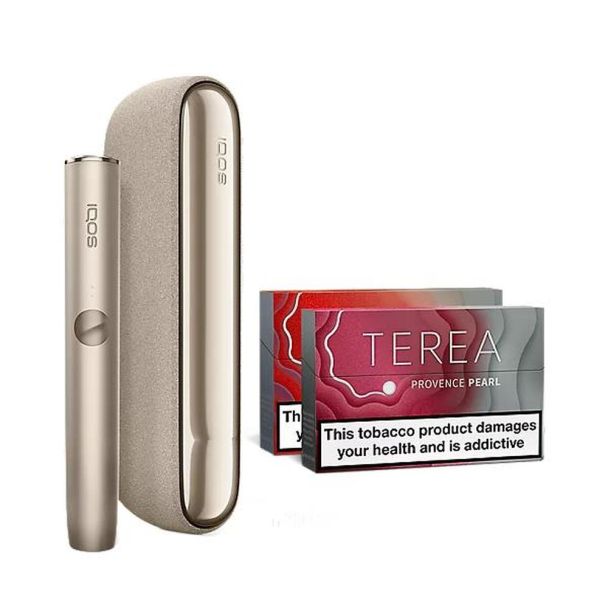
Philip Morris International introduces IQOS ILUMA
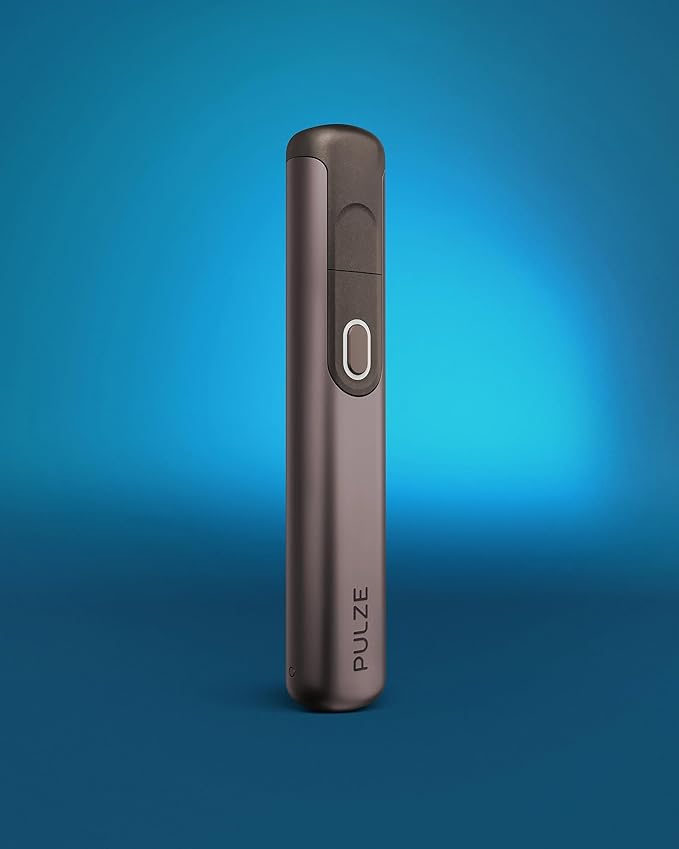
2023: Imperial Brands introduces Pulze 2.0
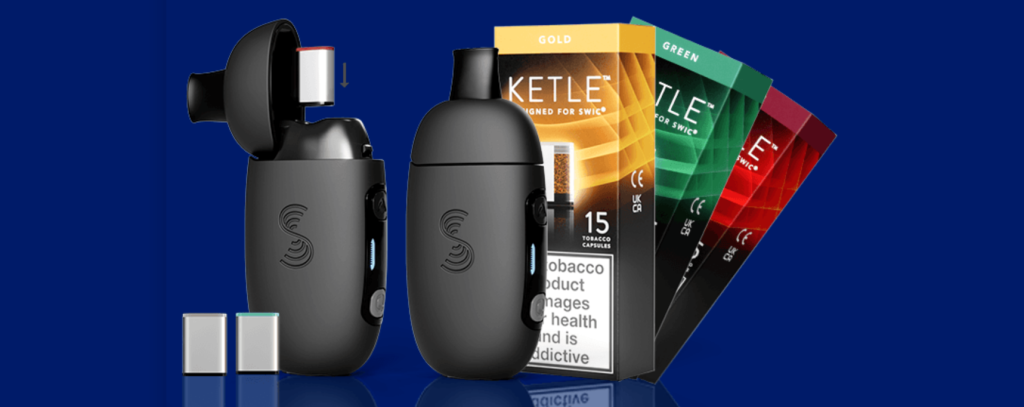
Altria introduces SWIC
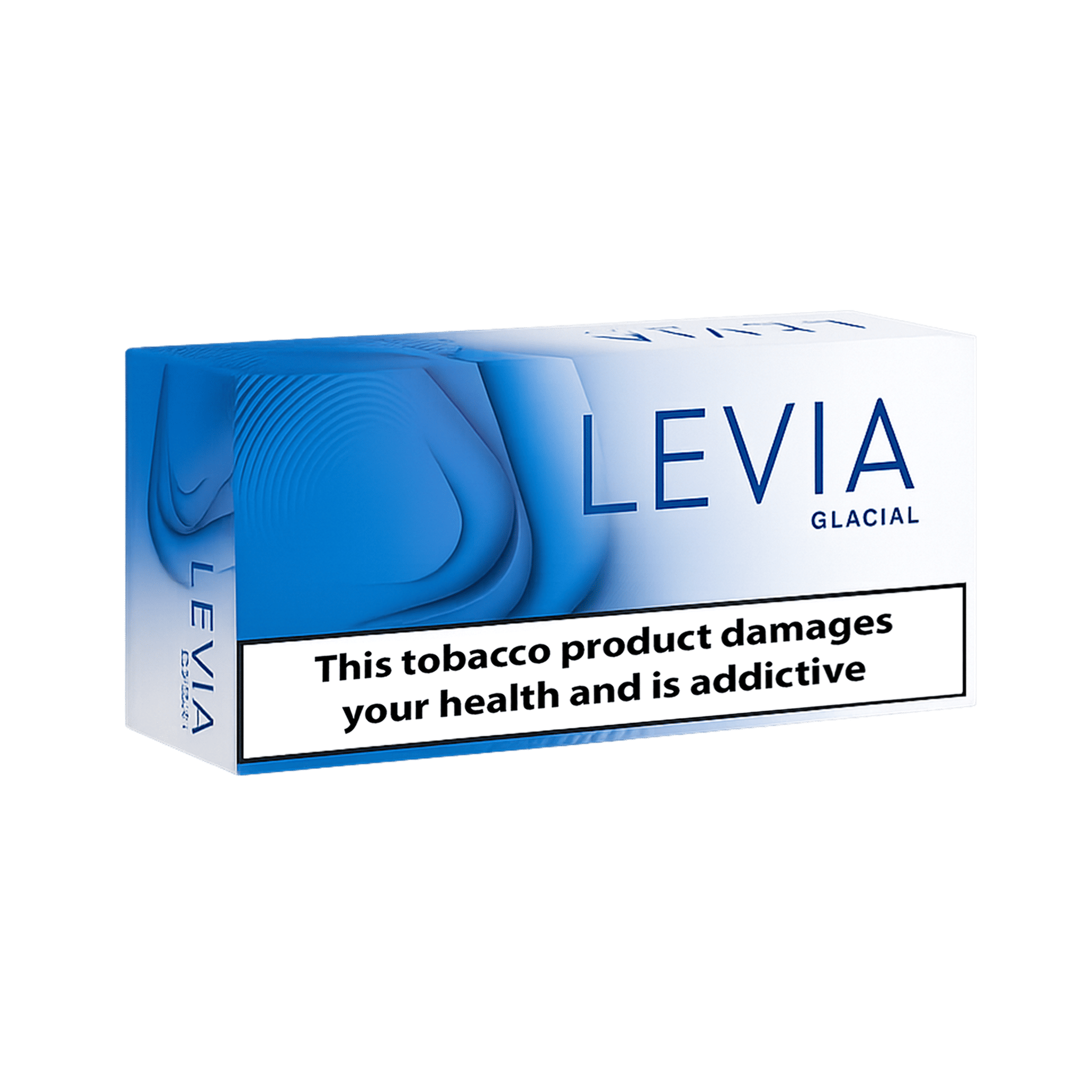
Philip Morris International introduces LEVIA (tobacco-free sticks for IQOS ILUMA)
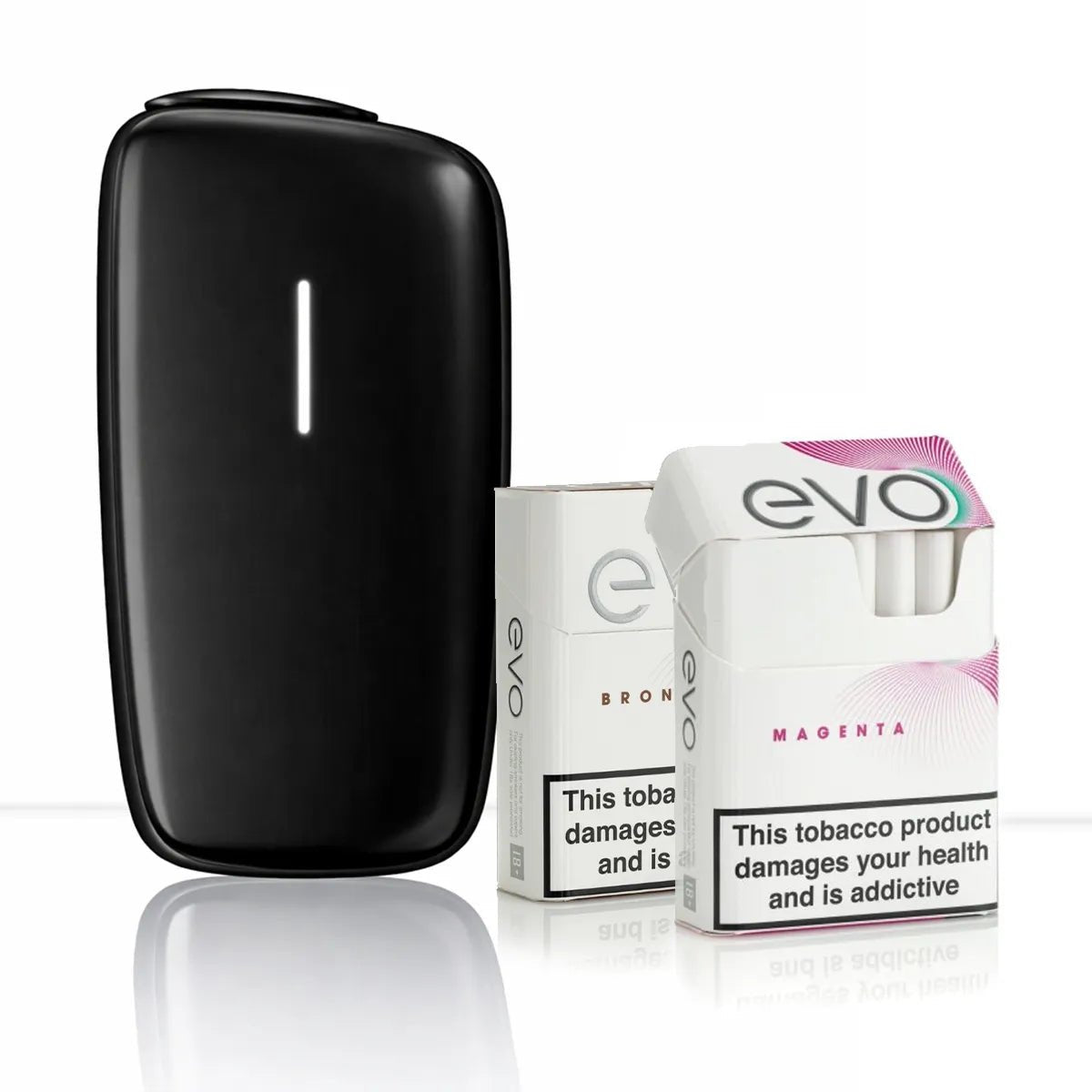
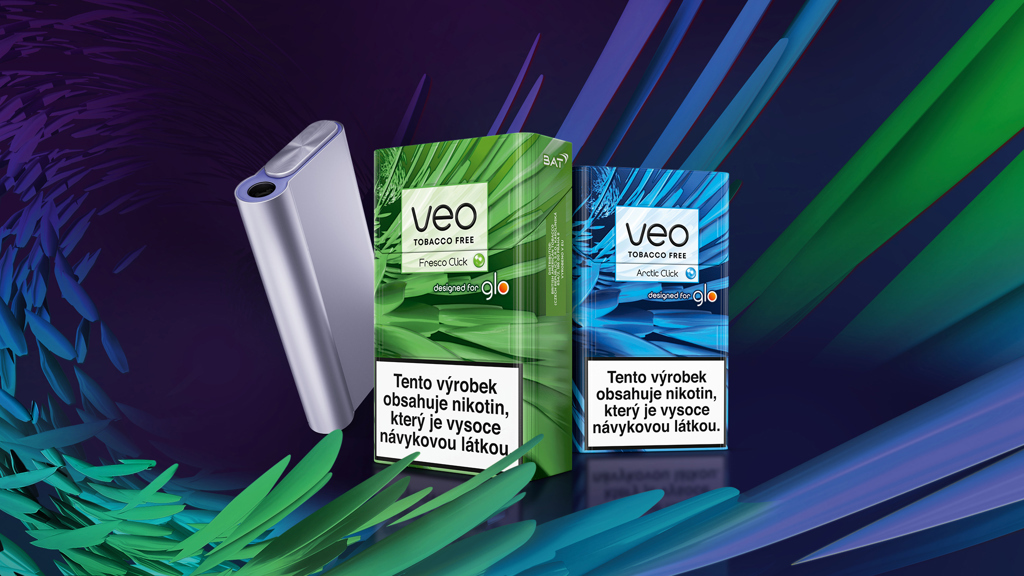
British American Tobacco introduces VEO (tobacco-free sticks for glo)
2024: Imperial Brands introduces iSenzia (tobacco-free sticks for Pulze)

The manufacturers begin exploring non-tobacco substrates to reduce regulatory burden, enable faster OEM development, and expand flavor possibilities
The technological advances of non-tobacco substrates include gel-based carriers, plant-derived substrates, and synthetic flavor matrices
This marks the divergence between tobacco HNB and non-tobacco HNB.
2026 and Beyond: Future Direction
The expected trends include:
• Non-tobacco HNB growth
• Modular heating platforms
• AI-controlled temperature management
• Greater OEM specialization
Industry Outlook:
Heat-not-burn is transitioning from a tobacco-centric innovation to a broader thermal delivery platform.
Conclusion
The evolution of heated tobacco and heat-not-burn products reflects decades of technological trial, regulatory negotiation, and consumer learning. From early failed experiments to modern non-tobacco OEM solutions, the category has matured into a distinct segment of the nicotine and alternative-consumption market.
For manufacturers and brands, understanding this history is essential—not only to avoid repeating past mistakes, but to identify where innovation is most likely to succeed next.
Authored by: Eson Lab
Specializing in end-to-end OEM solutions for HNB, nicotine pouches, and regulated vape platforms — from R&D and GMP-compliant manufacturing to PMTA-ready regulatory dossier development.
© [2026] — All rights reserved. For technical collaboration or white-label manufacturing inquiries, contact [email protected].